Fifteen Minutes and One Earbud: The Art of Streaming Through Life’s Dead Time
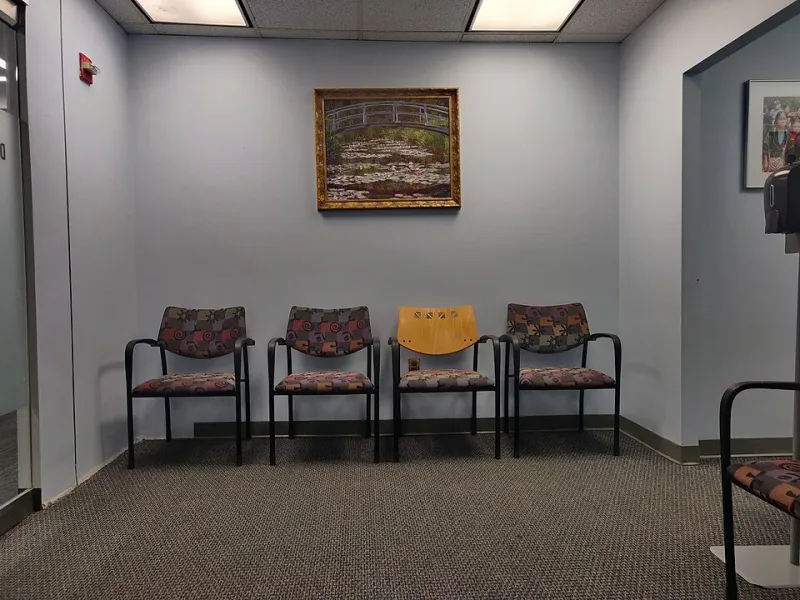
Photo: Kurt Kaiser, CC0, via Wikimedia Commons
There are two kinds of time in America: the time you plan for, and the time you spend sitting in a plastic chair while a screen above the door refuses to call your number. The second kind is where free streaming has quietly become a survival tool. Not because we are a nation of screen zombies, but because a 15-minute wait with nothing to do is a small, sharp reminder that your day is not entirely yours. A free, ad-supported app will not get your oil changed faster. It will, however, make the wait feel less like a waste of a life.
This is not a pitch to watch movies during a job interview. It is a practical guide to using free streaming in the margins: the DMV, the dentist, the pharmacy line, the airport gate, the mechanic’s lobby, the endless school pickup queue. The goal is simple. Stay entertained, stay polite, and do not burn through your battery or data plan before lunch.
The Dead-Time Math
Most waiting-room sessions are not long enough for a movie and too long for staring at a poster about hand hygiene. Fifteen minutes is the sweet spot. That is roughly two short YouTube videos, one sitcom rerun with a couple of ad breaks, a chunk of a live news channel, or a handful of sports highlights. It is not enough time to get invested in a cliffhanger, which is why free ad-supported TV works so well here. You can drop in, watch a little, and leave without feeling like you abandoned a plot.
The mistake people make is opening a premium app, starting a 55-minute drama, and then hearing their name called six minutes in. Now you are annoyed, the hygienist is waiting, and you have spent the rest of the appointment wondering who the guy with the mysterious past was. Free streaming is better for dead time because it is built for grazing. Channel surfing is a feature, not a failure.
Pick a Format That Fits the Wait
If you have five minutes, go short. Comedy clips, local news, weather updates, sports highlights, and trailer channels are perfect. If you have 15 to 20 minutes, a sitcom rerun or a block of music videos works. If you have an hour, you can risk a movie, but only if you are in a place where you can pause and come back. Free live TV is great for news and background noise, but it does not always pause, so choose on-demand content when the line is moving.
Avoid anything that requires emotional commitment. A documentary about a doomed expedition is not dentist-chair material. A horror movie in a quiet waiting room is a bad idea for everyone within earshot of your one earbud. And a prestige drama with subtitles is tough when the front desk keeps calling names over a crackly speaker. Keep it light, keep it short, keep it pausable.
Waiting-Room Etiquette for People With One Earbud
The one-earbud rule is not a legal requirement, but it should be. One earbud in, one ear open. You need to hear your name, the receptionist, and the person who is about to tell you the doctor is running 20 minutes behind. Never use speakerphone. Never play audio out loud. Turn on captions when you can. Lower your screen brightness, especially in a dim dentist lobby where everyone is already miserable. And if you are called, pause the video. Do not make the nurse repeat herself while you finish a clip.
There is also the outlet question. If you are charging your phone in a public waiting room, do not unplug the office lamp to do it. Do not sprawl across three seats with your charger cord stretched like a tripwire. The general rule is simple: be the least annoying person in the room. Free streaming is supposed to make dead time better, not turn you into the guy everyone remembers for the wrong reason.
Battery and Data Tricks That Actually Work
Charge your phone before you leave the house. This sounds obvious, but the DMV is where optimism goes to die. A small battery pack in your bag is worth more than any streaming subscription. Lower your screen brightness, close background apps, and turn on battery saver if your phone has it. If you are on a limited data plan, use Wi-Fi when it is available and trusted, and stick to lower-resolution settings in apps that offer them. Free ad-supported platforms often stream at modest quality anyway, which helps.
If you are in a public place with shaky Wi-Fi, do not spend 10 minutes trying to log into a captive portal that wants your email address. Use your cellular connection for a short clip, then put the phone away. The point is not to marathon a season in the dentist’s office. The point is to make a 15-minute wait feel like 15 minutes instead of a small eternity.
The 15-Minute Setup
Before you leave the house, open the app you plan to use. Log in while you are still on reliable Wi-Fi. Test your earbud. Turn on captions if you like them. Find a channel or a show you can dip into without thinking. If you are heading to a place with notoriously bad reception, pick a free platform that loads quickly and does not demand a big update the moment you open it. A little prep turns a waiting room from a dead zone into a tolerable one.
That is the quiet appeal of free streaming. It does not ask you to plan your life around a subscription. It does not make you feel guilty for paying $15 a month and watching six minutes of a show. It just fills the gaps. The DMV will still be the DMV. The dentist will still run late. But with one earbud, a charged phone, and a free app, you can turn the dead time into something that feels almost like your own.