Film School on a Budget of Zero: The Broke Filmmakers Streaming Their Way to a Visual Education
Film school tuition at a top US program can run north of $50,000 a year. A free ad-supported streaming account costs exactly nothing — just a tolerance for the occasional car insurance ad. It's no surprise, then, that a quiet movement of broke film students and aspiring indie directors has started treating free streaming platforms the way earlier generations treated the local video store: as a library, a classroom, and a place to steal (the legal kind of steal) from the masters.
The Pause Button Is the New Professor
Talk to young filmmakers working on their first shorts and a pattern emerges fast. They're not just watching movies on free platforms — they're dissecting them. Pausing on a Wes Anderson symmetry shot. Rewinding a horror reveal three times to figure out why it worked. Screenshotting lighting setups to recreate in a friend's garage with a Home Depot clip light.
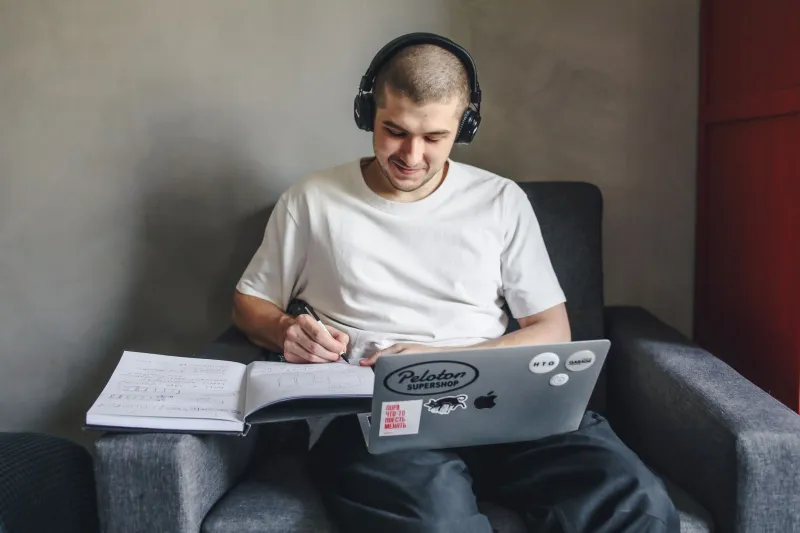
"I basically got my film education in the ad breaks of free streaming," says one 23-year-old aspiring director in Ohio who asked to be identified only by her handle, @midwestwideangle. "When you don't pay for a movie, you watch it differently. You're not consuming it — you're studying it. The ads are annoying, but honestly, they gave me time to take notes."
That's the unglamorous magic of ad-supported viewing: built-in study breaks. Instead of binge-watching passively, students use the interruptions to log shot lists, sketch storyboards, and argue about editing choices with roommates.
What to Actually Study When It's Free
Not every free catalog is deep, but the good ad-supported platforms have quietly accumulated genuinely influential films — especially older titles, cult classics, and genre work that studios are happy to monetize with ads rather than let gather dust.
If you're building a self-taught film education for zero dollars, here's the starter syllabus:
- Film noir classics — Titles from the 1940s and '50s pop up regularly on free platforms. Study the hard lighting, the voiceover, and how tension is built with shadows instead of budgets.
- B-movie horror and creature features — These are masterclasses in doing more with less. Watch how directors hide the monster, cut around effects they couldn't afford, and milk suspense from a single hallway shot.
- Mid-century Westerns — Landscape as character. If you want to learn how to shoot exteriors that mean something, this is the genre.
- 80s and 90s indie comedies — Great for studying dialogue rhythm and how small casts carry a whole film.
- Public-domain gems — Old Hitchcock-adjacent thrillers, early sci-fi, and silent-era work float freely across platforms. Watching a silent film with the sound off is a cinematography lesson all by itself.
The catalog rotates — free platforms shuffle titles in and out constantly — so the real skill is checking what's available and building your watchlist around it, rather than the other way around.
Building a Visual Vocabulary Without a Loan
The term that comes up again and again with self-taught filmmakers is "vocabulary." Before you can break the rules, you have to know them — and knowing them means watching a lot of movies actively, not passively.
A practical method that's gained traction in film student Discords:
- Pick one craft element per movie. Tonight, only watch the editing. Tomorrow, only the camera movement. Single-focus viewing beats passive absorption every time.
- Take notes during the ad breaks. They're annoying for entertainment, perfect for study. Jot down what worked in the last scene before the movie pulls you back in.
- Rewatch the greats with the sound low. Strip out dialogue and you'll suddenly see blocking, framing, and light you missed the first time.
- Copy a shot, then make it yours. Recreate one frame from a classic with whatever you have — a phone, a lamp, a friend willing to sit still. Every great director started as a copycat.
The Economics of a Free Education
There's also a blunt financial reality underneath all this. Gear is cheaper than ever — a used mirrorless camera and a decent lens can be had for a few hundred bucks — but film school isn't. For the thousands of young Americans writing, shooting, and cutting shorts in their apartments, every dollar saved on subscriptions is a dollar toward a rental, a location fee, or feeding a crew on shoot day.
And there's a sneaky bonus: ad-supported platforms are themselves a masterclass in pacing. Young editors admit that cutting around ad breaks has taught them a lot about act structure and cliffhangers. If a movie can hold you through a three-minute insurance commercial, that's a lesson in tension worth paying attention to.
The Library Is Already Open
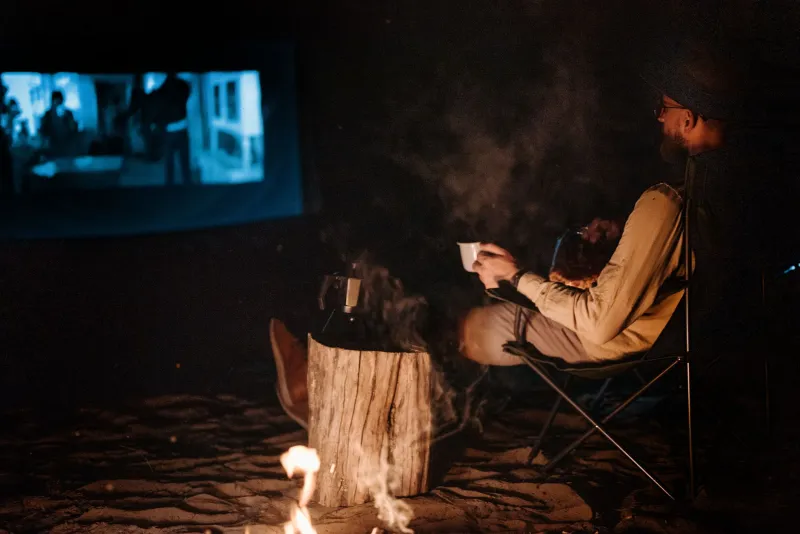
The romantic image of film education — the lecture hall, the 35mm print, the professor with industry stories — isn't going away. But for a generation raised on YouTube tutorials and group-chat film analysis, the free streaming library has become something just as valuable: an always-open screening room with no tuition, no prerequisites, and no student debt attached.
The movies are there. The pause button works. The only price of admission is a few ads and the willingness to watch like a filmmaker instead of a fan. For anyone serious about learning the craft on a ramen-noodle budget, that's the best deal in American film education right now.