Sound Off, Chores On: The Quiet Rise of Watching TV Without Actually Watching
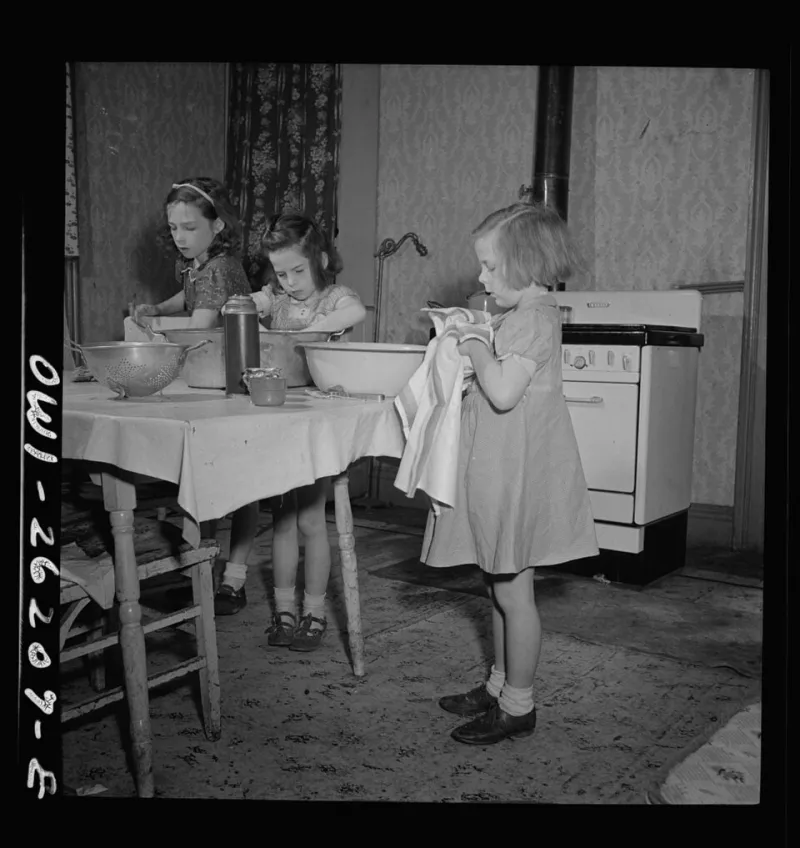
Photo: Marjory Collins, Public domain, via Wikimedia Commons
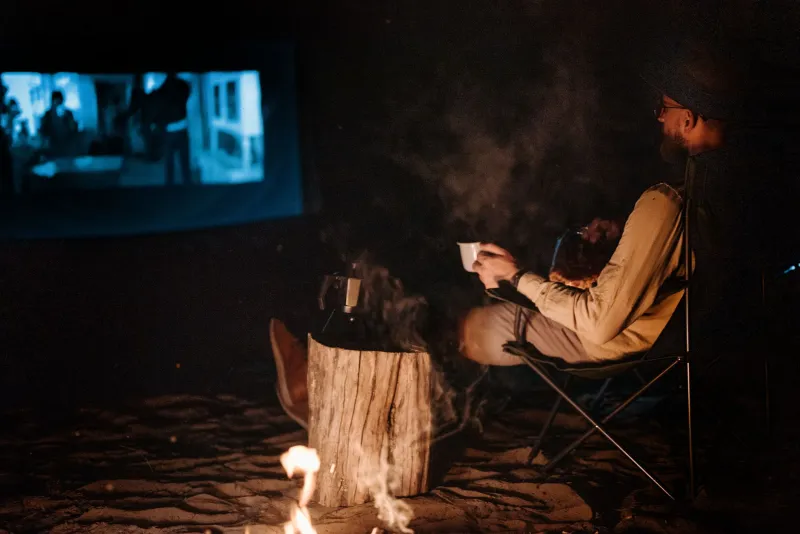
There's a particular kind of modern viewing that doesn't involve a couch, a remote, or — here's the twist — any sound at all. It's the muted episode of a cooking competition playing while you fold laundry. The bright, dialogue-light nature documentary flickering next to your laptop while you answer emails. The autoplaying sitcom that lulls you to sleep at midnight, captions off, volume at zero.
Nobody officially named this habit, but everybody's doing it. And free streaming platforms — the ad-supported, zero-dollar kind — are quietly winning this audience without ever trying to.
The Second Screen Went First; Now the First Screen Is Going Mute
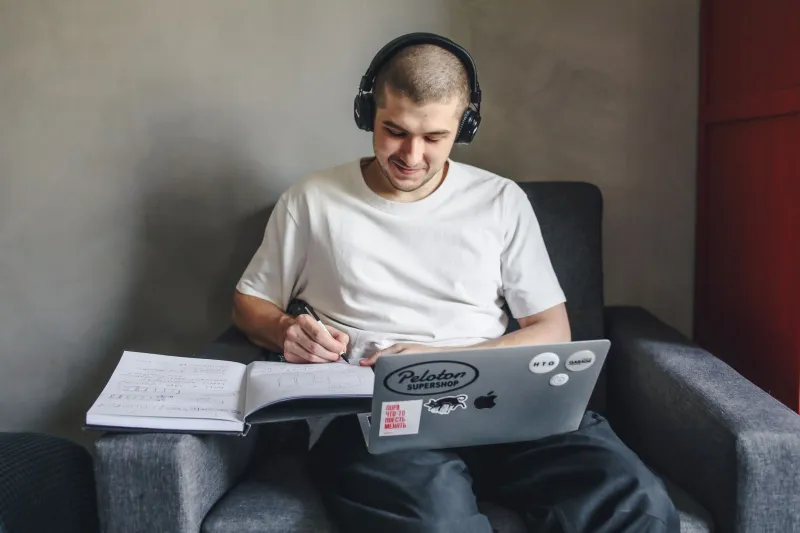
The data on how Americans "watch" TV has been blurry for years, but the direction is unmistakable. Surveys from Nielsen and similar trackers have consistently shown that a huge share of streaming happens while viewers are simultaneously doing something else — scrolling their phones, working, cleaning, or drifting off. In many households, the TV isn't the main event anymore. It's the wallpaper.
What's changed recently is where that wallpaper comes from. Paid services want your undivided attention — they're built around prestige dramas, serialized plots, and the implicit threat that if you look away, you'll miss something and your $15.99 will feel wasted. Free, ad-supported platforms (often called FAST services) don't carry that pressure. Nobody feels guilty about half-watching something they paid nothing for.
That's the psychological unlock. A muted show on a free platform costs you nothing in dollars and nothing in attention. It's the lowest-stakes entertainment in America.
What Actually Works With the Sound Off
Not all content survives the mute button. If a show depends on whispered dialogue or intricate plot threads, it falls apart when you're across the room scrubbing a pan. The winners share a few traits:
Strong visuals over strong dialogue. Nature documentaries, travel shows, cooking competitions, home renovation series — these are built to be looked at, not listened to. A time-lapse of a backyard makeover tells its own story at zero volume.
Episodic, low-stakes structure. Sitcoms and procedurals where every episode resets work beautifully. Fall asleep 20 minutes into a rerun? Nothing lost. Miss the setup while vacuuming? Doesn't matter, the next case starts in 40 minutes.
Reliable autoplay. The whole point of background TV is that you never touch the remote. Platforms that roll straight into the next episode — and even roll into something similar when your queue runs dry — are gold for this use case.
Familiar reruns. There's a reason the same handful of older sitcoms dominate free platforms. Comfort viewing you've already seen twice requires zero cognitive load. You're not watching to find out what happens. You already know. That's the entire appeal.
A Quick Platform Rundown for the Muted Viewer
You don't need us to tell you which services exist, but it's worth knowing which ones fit the no-audio lifestyle:
- The big FAST players (the ones with hundreds of live channels plus on-demand libraries) are ideal for chore-watching. Live channels mean you can flip to a "cooking" or "home renovation" station and just let it run, like cable without the bill.
- On-demand free libraries attached to major streamers tend to have deep benches of older network shows — perfect for the familiar-rerun loop.
- YouTube's free movie and show sections are underrated here, especially for visual-heavy documentaries.
- Library-linked apps like Kanopy and Hoopoe-style services skew toward prestige and arthouse fare — gorgeous to look at, though less autopilot-friendly.
One practical tip: turn captions off if you're truly multitasking. Captions pull your eyes back to the screen, which defeats the purpose. If you're winding down for sleep instead, dim the screen or use your device's night mode — bright visuals at 1 a.m. are the enemy of actually falling asleep.
So What Does 'Watching' Even Mean Now?
Here's the mildly philosophical part. If a show plays for four hours while you clean, scroll, and sleep, did you watch it? Media measurement companies are wrestling with exactly this question, because traditional ratings assumed a person, facing a screen, paying attention. That viewer is increasingly rare.
Our take: it doesn't matter, and that's kind of beautiful. For most of the 20th century, entertainment was an appointment. You sat down at 8 p.m. and gave it your whole evening. Now, a free stream can be a companion to your life rather than a competing demand on it. The show fills the silence, warms up the room, and asks for nothing in return — not money, not attention, not even sound.
There's something almost old-fashioned about it, too. It's the radio model, wearing a TV's clothes. Your grandmother had a program murmuring in the kitchen all afternoon; you've got a muted home renovation marathon doing the same job. The technology changed. The habit didn't.
The Bottom Line
If your TV spends more time muted than not, you're not a bad viewer — you might be the savviest one. Free streaming platforms have accidentally built the perfect medium for the half-attentive American household: endless, familiar, zero-cost content that fills a room without filling a bill.
So the next time someone teases you for "watching" a show you couldn't summarize if your life depended on it, just smile and hit next episode. You know exactly what you're doing.