Common Room, Common Screen: How Free TV Became the Dorm’s New Campfire
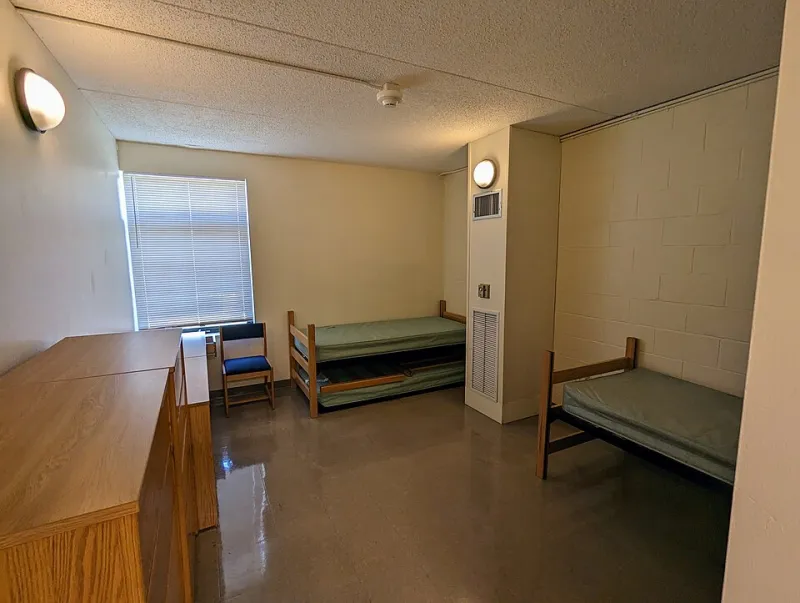
Photo: Sdkb, CC BY-SA 4.0, via Wikimedia Commons
The dorm common room used to have a TV with a cable box and a remote held together by tape. Now it has a projector, a Roku stick, a group chat, and a free streaming app that nobody pays for. That is the new campus campfire. It is not glamorous. The screen is sometimes crooked. The Wi-Fi drops during the good part. Someone always brings the wrong snacks. But it works, and it costs zero dollars a month.
In 2026, college students are not immune to subscription creep. They are actually prime targets for it. Every service has a student discount, every discount expires, and every friend group has that one person who says they will split the bill and then forgets to Venmo. Free ad-supported streaming has become the pressure valve. It gives students a shared screen without a shared bill, a movie night without a monthly charge, and a way to hang out that does not require anyone to be the group treasurer.
The New Dorm Economy
Student budgets are weird. You might have enough for ramen and a concert ticket, but not enough for three streaming services and a cloud storage plan. Free platforms fit that reality. Tubi, Pluto TV, The Roku Channel, Plex, YouTube, and the free tiers of network apps are all ad-supported, which means the price is attention instead of cash. On campus Wi-Fi, the data cost is basically zero. The social cost is one person willing to plug in a laptop.
The result is a viewing culture that is less about prestige TV and more about whatever is available. That sounds like a downgrade until you realize that scarcity can be fun. When your group has access to everything, choosing a movie takes 45 minutes. When your group has access to a rotating catalog of free movies and a few reliable sitcom channels, you pick faster and start watching. The constraint becomes the plan.
How a Movie Night Actually Comes Together
The setup is almost embarrassingly simple. Someone claims the common room. Someone else brings a projector or a TV. Another person brings an HDMI cable, a streaming stick, or a laptop. There is a group chat poll with three options and a lot of bad jokes. The winning movie is usually not the best movie. It is the one everyone can agree on before the energy dies.
The best dorm setups have a few things in common. First, they use one device and one account, not five people trying to cast from five phones. Second, they test the Wi-Fi before the room fills up. Third, they turn on captions. Dorm common rooms are loud, and captions save the plot. Fourth, they embrace the ad breaks. A 90-second pause is enough time to refill a drink, argue about the last scene, or check whether the dining hall is still open. Ad-supported streaming is not a bug in the ritual. It is the intermission.
The Social Logistics Nobody Warns You About
Free streaming avoids the worst part of modern sharing: the bill. Nobody has to be the account owner. Nobody has to chase down $7 from a person who swore they would pay. But there are still logistics. Free platforms have device limits and login requirements. Some ask for verification. Some catalog titles disappear without warning. The smart move is to treat the dorm setup like a shared utility. Keep the login on the common-room device. Do not pass the password around like a secret. If the app asks you to verify, do it before the movie night, not during the opening credits.
The other logistics are social. Rotate who picks the movie. Have a bad movie night every few weeks, because bad movies are easier to talk over. Do not let one person become the permanent tech support desk. And for the love of campus Wi-Fi, do not stream a 4K movie on a projector while three people are trying to submit papers. Free streaming works best when everyone accepts that the picture might be a little soft and the audio might be a little uneven. That is part of the charm.
Why Ad-Supported TV Fits Student Budgets
Students are often told to split a $60 streaming bundle four ways. That sounds cheap until you realize it is $15 a month for something you might watch twice, plus the risk that the service raises prices or cracks down on password sharing. Free ad-supported TV flips the equation. The bill is zero. The trade-off is ads, which students already tolerate on YouTube, TikTok, and every other corner of the internet. The real value is flexibility. You can try a platform for a night and never open it again. You can switch services without canceling anything. You can save your actual money for groceries, textbooks, or a night out.
That does not mean premium services are evil. They are a treat, not a baseline. A student who wants a specific new release can pay for a month, watch it, and cancel. But the everyday viewing life of a dorm does not need to be premium. It needs to be available, affordable, and social. Free streaming checks all three boxes.
The Rituals That Stick After Freshman Year
The best campus rituals are the ones that survive midterms. Sunday-night sitcoms in the lounge. Tuesday horror movies with the lights off. Finals-week comfort TV that plays while everyone studies. A live news channel in the morning while people eat cereal. None of these require a subscription. They require a screen, a room, and a few people who agree to show up.
That is why free TV has become campus culture in 2026. It is not just a budget hack. It is a way to make a shared space feel like a shared life. The projector might be cheap. The Wi-Fi might be cursed. The movie might be a B-list thriller nobody has heard of. But the room is full, the ads are running, and nobody is checking a Venmo request. That is a pretty good campfire.