Popcorn, Projectors, and Zero Dollars: How Neighborhood Movie Nights Became America's Favorite Free Night Out

Photo by Photo by kimber on Unsplash on Unsplash
Somewhere in a cul-de-sac outside Columbus, Ohio, thirty folding chairs are facing a bedsheet strung between two garage doors. On that bedsheet: a movie. Admission: free. Popcorn: courtesy of the neighbor with the air popper. Total cost of the whole operation: less than what one person pays for a single month of premium streaming.
This scene is playing out all over the country. Free, ad-supported streaming platforms have quietly become the engine behind a grassroots revival of the community movie night — something a $20-a-month subscription, locked behind a single TV and a single login, was never going to deliver.
The Return of the Public Screening
For decades, watching a movie meant gathering somewhere. Drive-ins, church basements, school gymnasiums — the shared experience was the point. Then streaming made everything personal: earbuds in, screens down, everyone in their own bubble.
The pendulum is swinging back. Organizers on Reddit's cord-cutting communities and local Facebook groups have been trading tips for years on pulling off outdoor screenings using nothing but free streaming apps, a projector, and whatever wall or sheet is available. What started as a workaround for broke college students has matured into a genuine social ritual.
The appeal is simple. Free streaming platforms carry thousands of full-length films and shows at no charge, supported by ads. That means a host doesn't need to own a physical copy, borrow a Blu-ray, or pay for a rental license through a commercial service just to test whether their neighborhood even wants a movie night.
What the Organizers Are Saying
We combed through posts and interviews from people running recurring screenings — suburban backyards, apartment rooftops in Chicago, a patio in Phoenix where the summer heat forces a 9 p.m. start time.
The common threads:
- Start small. Most successful hosts began with four or five neighbors and a bedsheet. Word of mouth did the rest.
- Pick crowd-pleasers. Free platforms are loaded with older comedies, action classics, and family films — perfect for mixed-age audiences who don't all agree on a new prestige drama.
- Accept the ads. Organizers treat the ad breaks as intermission — a chance to refill popcorn and chat. Several told us the breaks actually made the night feel more social, not less.
- Keep it free for guests. Ask for a folding chair or a bag of candy instead of money. Nobody wants their movie night to feel like a business.
The Gear: Cheaper Than You Think
Here's the basic setup, no fluff:
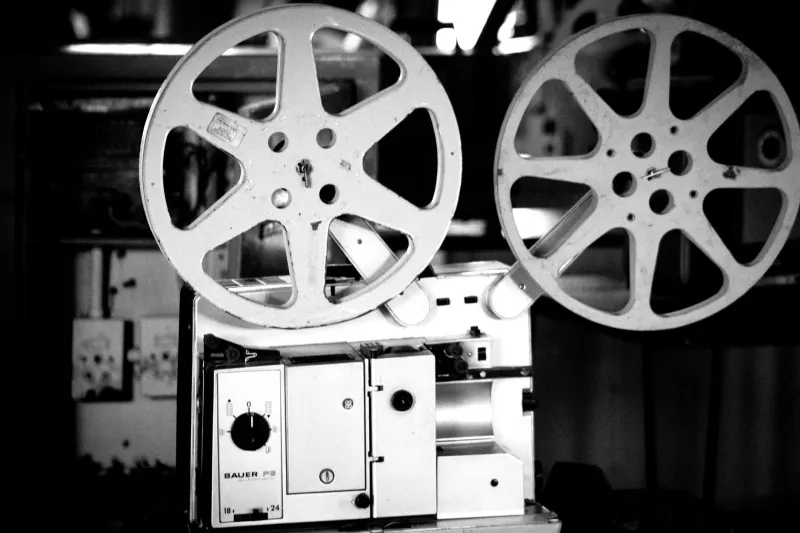
- A projector. Entry-level 1080p models run $60–$100 new, and used ones are everywhere. Brightness matters more than resolution for outdoor use — look for something rated at least 3,000 lumens if you can find it.
- A screen. A smooth white bedsheet, a plain wall, or the side of a garage works. Purpose-made screens exist, but nobody's judging.
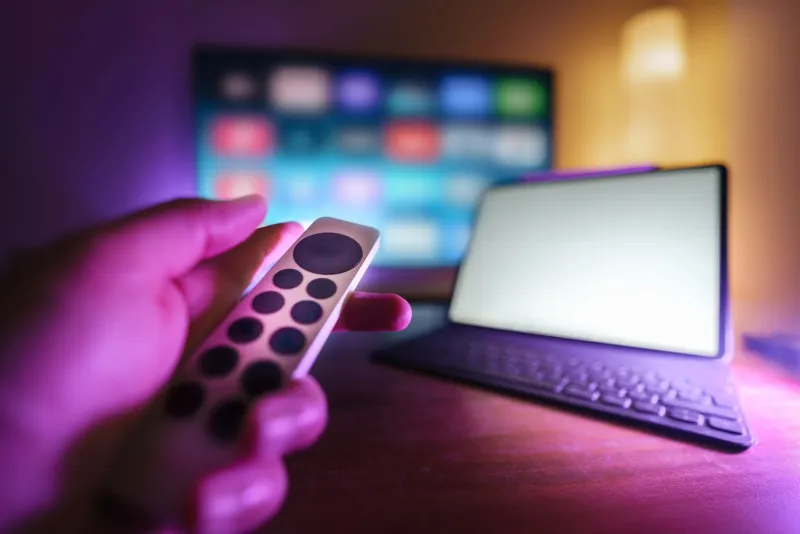
- A streaming device. A laptop, a phone with an HDMI adapter, or an inexpensive streaming stick loaded with free apps handles the content.
- Sound. Projector speakers are weak. A $30 Bluetooth speaker dramatically improves the experience, and a portable power station solves the outlet problem for rooftop and park setups.
Grand total if you're starting from zero: roughly the cost of two months of a premium streaming household's combined subscriptions. After that, the movies themselves cost nothing, forever.
A Quick Word on the Fine Print
We're not lawyers, and this isn't legal advice, but here's the honest picture for US readers:
- Watching a free, ad-supported stream with friends and family on private property is normal, everyday use. No different than your living room, just with more folding chairs.
- Public screenings — parks, school grounds, open community events — can involve public performance licensing, which is a real thing in the US and worth researching if your event grows beyond the neighbors. Many organizers simply keep gatherings private and invitation-based, which sidesteps the issue entirely.
- Don't charge admission for copyrighted content. That's the line that turns a fun night into a problem.
Keep it among friends, on your own property, and you're in the same territory as any Super Bowl party.
Why This Beats Another Solo Binge
There's a reason this trend keeps growing. Free streaming solved the access problem — anyone can watch, anywhere, for nothing. But the platforms themselves are still solitary by default. The watch party movement is what happens when people take that free access and add back the part streaming removed: other humans.
A premium subscription gets you one screen in one living room. A free platform plus a projector gets you a neighborhood tradition, a reason for people to actually talk to each other, and a movie night that costs the host exactly zero dollars in content fees.
Cord-cutters spent a decade proving you don't need cable. Now they're proving you don't even need a living room. Grab a sheet, fire up a free app, and text the group chat. Summer's not getting any shorter.