Grandma Cut the Cord Before You Did: Inside the Senior Surge on Free Streaming
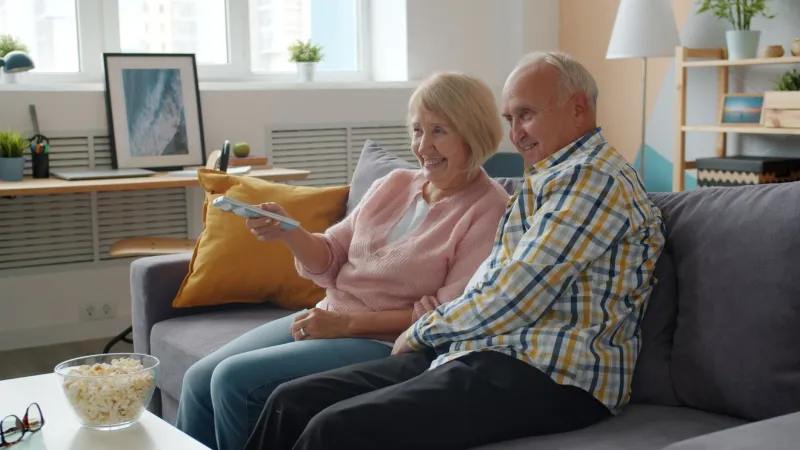
Here's a stat that surprises just about everyone under 50: the fastest-growing group of free streaming users in America isn't broke college students or cord-cutting millennials. It's their grandparents.
According to recent industry tracking, adults over 65 have adopted free, ad-supported streaming at a faster clip than any other age bracket over the past two years. Meanwhile, the same demographic has been canceling traditional cable subscriptions in record numbers. Put those two trends together and you get a quiet revolution happening in living rooms from Sarasota to Spokane.
Why Seniors Are Winning the Cord-Cutting Game
The economics are almost too obvious once you lay them out. The average cable bill for a senior household hovers around $100 to $150 a month — money that comes out of a fixed income. Free streaming services, supported by ads rather than subscriptions, cost exactly zero dollars and deliver hundreds of live channels plus an enormous on-demand library.
But the money alone doesn't explain it. Talk to actual seniors and a different picture emerges.
"I didn't cancel cable to save money, even though that's been wonderful," says Margaret, 74, a retired schoolteacher from Ohio. "I canceled it because I was paying $130 a month to watch the same six shows I'd already seen twice. Now I watch Westerns all afternoon and nobody sends me a bill for it."
That tracks with what the data shows. Seniors aren't just streaming more — they're streaming differently than younger viewers. They favor classic television, live news, game shows, faith-based programming, and full-season runs of comfort TV from the '60s through the '90s. And guess what? Free platforms are absolutely loaded with exactly that content. Older shows are cheaper to license, so ad-supported services buy them in bulk.
There's also a simplicity factor. Younger viewers juggle five subscriptions and a rotating carousel of cancellations. Seniors tend to want one button, one remote, one place. Free streaming — especially through a Roku, Fire TV, or smart TV app — delivers that. Turn it on, pick a channel, done. No login, no password manager, no monthly decision to make.
What They're Actually Watching
Scroll through the most-watched categories among viewers 65 and older on free platforms and a clear pattern emerges:
- Classic Westerns — think Gunsmoke, Bonanza, and The Rifleman, often on dedicated 24/7 channels
- Game shows and quiz formats, from Wheel of Fortune reruns to vintage Jeopardy!
- Live news, both national and local, which many seniors treat as their cable replacement
- BritBox-style British drama — procedurals, mysteries, and period pieces
- Faith and inspiration programming
- Classic sitcoms — The Andy Griffith Show, Columbo, Matlock, and their ilk
The 24/7 single-show channel deserves special mention. These are channels that play nothing but one classic series back to back, all day, mimicking the old cable experience. For seniors who came of age with linear TV, it's not a downgrade — it's a homecoming.
The Setup Guide: Helping Your Parents Get Started
If you're reading this and thinking about your own mom or dad, here's the good news: the setup takes about 20 minutes, and you can do most of it before you visit (or over the phone, if you're brave).
Step 1: Check what they already have. Most TVs made after 2017 are smart TVs with the major free apps pre-installed. If their set is older, a Roku or Amazon Fire TV Stick runs about $20–$30 — a one-time cost that pays for itself in the first week off cable.
Step 2: Install one or two free apps. Don't overwhelm them. Pick the two or three biggest free, ad-supported platforms and stick them on the home screen. No credit card, no account required for most of them — a huge win for anyone wary of online sign-ups.
Step 3: Set up the remote for success. Program the TV's power and volume buttons into the streaming remote if possible. The fewer remotes on the coffee table, the better.
Step 4: Build a starter channel list. Sit down together and favorite a handful of channels: a news channel, a Western channel, a game show channel, whatever matches their taste. Write the list down on an index card and tape it near the TV. Yes, really. It works.
Step 5: Show them the "live" tab. Most free platforms have a live TV guide that looks almost exactly like the cable guide they've used for 40 years. This is the bridge that makes the whole thing feel familiar rather than foreign.
Step 6: Cancel cable — but not the internet. Make sure their internet plan actually covers streaming (a basic 25–50 Mbps plan is plenty) and that the router is close enough to the TV for a solid signal.
A Few Honest Caveats
Free streaming isn't magic. There are ads — typically 4 to 8 minutes per hour, far fewer than broadcast TV ever ran. Picture quality on older content can be a little soft. And live sports, the last great cable lock-in, remains limited on free platforms, though highlights and some live events are increasingly available.
For most seniors, though, none of that matters. They're trading a $120 bill for a slightly longer commercial break and getting thousands of hours of the shows they actually love in return.
The grandkids used to be the tech teachers. Increasingly, they're the ones catching up — because Grandma figured out free streaming first, and she's not waiting for anyone else to catch on.