The Barbershop Playlist Problem: Why Main Street Businesses Are Ditching Paid Streaming for Free
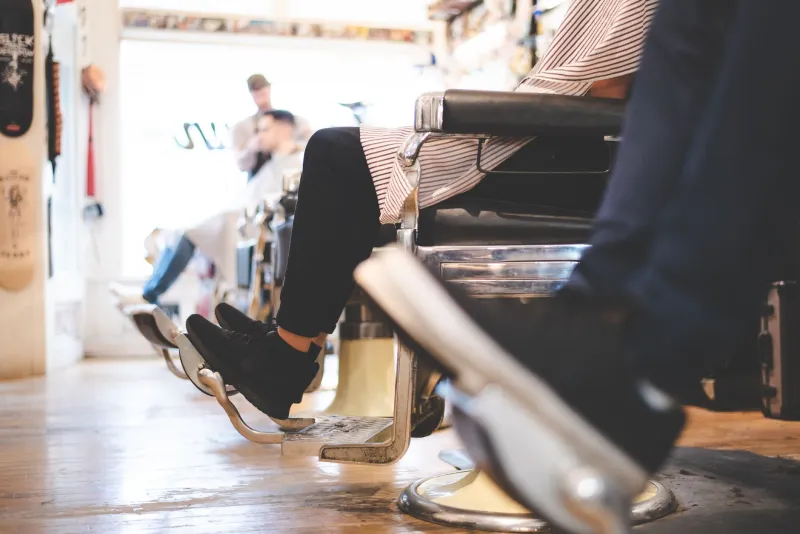
Walk into Ray's Classic Cuts on a Saturday morning in Dayton, Ohio, and you'll hear something every barbershop has always had: music. What's changed is where it's coming from. Ray killed his paid music service two years ago. Now a free streaming app runs on a $40 tablet mounted by the mirror, ads and all.
"Guys in the chair don't care about a 30-second ad," Ray says, mid-fade. "They care that I'm not charging them $4 extra a cut to cover some subscription."
Ray isn't alone. Across the country, small businesses are quietly discovering what households figured out years ago: free ad-supported streaming is good enough for almost any room where people are waiting, eating, drinking, or getting a haircut.
The Waiting Room Revolution
Dentist offices were arguably the first businesses to understand that a screen changes everything. A lobby with a TV playing a lighthearted cooking competition feels shorter than the same lobby in silence. What's new is that offices no longer need a cable contract or a stack of DVD cases by the front desk to make that happen.
Dr. Melissa Tran, who runs a family dental practice outside Sacramento, keeps a free streaming service running on the lobby TV all day. "Patients used to pace," she says. "Now they're asking me how the last episode ended. I'll take that over watching someone check their watch."
The ad breaks, she notes, are practically a feature in a medical office — natural moments when the front desk can call the next patient back without feeling like they're interrupting.
Bars, Trucks, and the Dwell-Time Effect
The food truck world might seem like the last place streaming matters — there's barely room for a menu board. But ask around and you'll find operators running shows on a mounted screen for the line that forms at lunch.
A taco truck operator in Austin told us his setup is simple: a weatherproof tablet, a free streaming app, and whatever sitcom reruns keep the line entertained. "People used to scroll their phones and get impatient," he says. "Now they're watching something, and honestly, they order more because they're not rushing."
That's the dwell-time effect in action. Bar owners have noticed it too. A neighborhood tavern in Pittsburgh runs free streaming on the TVs behind the bar during afternoon hours when live sports aren't on. Regulars linger over one more round. Bartenders report that the vibe is more relaxed than the old jukebox-and-silence routine — and that relaxed customers tip better.
The Licensing Question Every Owner Asks
Here's where we have to be straight with you: business use of streaming is a different legal animal than home use. Most consumer streaming services — free or paid — are licensed for personal, private viewing. Playing them in a commercial space can technically require a public performance license, typically through a performing rights organization.
Some owners handle this by getting a blanket license, which for a small shop can run a few hundred dollars a year — still far less than the cable-plus-music packages they used to pay for. Others lean on services specifically licensed for business use. The smartest owners ask questions before they plug in the tablet, not after.
What's driving the shift anyway is the math. A bar that once paid for a full cable package, a commercial music service, and hardware can now cover its entertainment needs with a free app, a cheap screen, and maybe one annual license. For a business operating on margins measured in nickels, that's real money.
Why Free Fits Main Street's Personality
There's also something culturally right about it. Free ad-supported streaming is a little scrappy, a little unpolished — just like the businesses playing it. Nobody at Ray's barbershop is bothered by an ad for a truck dealership. It blends into the hum of clippers and conversation.
And unlike cable, there's no contract, no equipment rental, no technician visit when the box dies. If the platform starts feeling stale, the owner switches to a different free app in about ninety seconds. That flexibility is exactly what a small business needs — entertainment that bends to the day rather than dictating it.
The Quiet Infrastructure
Ask these owners whether they think of themselves as part of some streaming trend and most will laugh. They're not trying to be early adopters. They just found a way to keep a room feeling alive without another monthly bill.
But step back and a pattern emerges. The same free platforms that replaced cable in American living rooms are now humming in lobbies, bars, and break rooms. It's become invisible infrastructure — the background hum of Main Street, costing nothing, requested by nobody, and missed instantly if it stopped.
Ray puts it best: "Thirty years ago it was a radio behind the counter. Then it was cable. Now it's this. Whatever's free and works — that's what plays in my shop."
For millions of small businesses, that's the whole strategy. And honestly, it's hard to argue with.